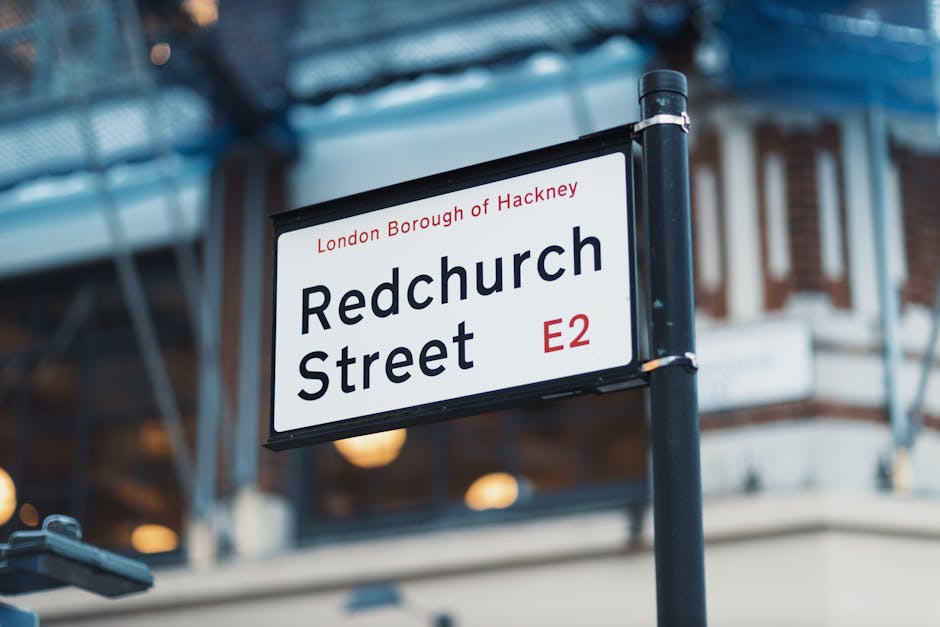
Commercial cleaning for Hackney business units on Mare Street
If you manage a unit on Mare Street, you already know the feel of the place: steady footfall, deliveries at awkward hours, the occasional coffee spill by the doorway, and a constant need to look "open for business" even when the day has been a bit of a scramble. Commercial cleaning for Hackney business units on Mare Street is about more than a tidy floor. It is about keeping your space usable, credible, and pleasant for staff, customers, tenants, and visitors.
Whether you run a showroom, workshop, studio, office, studio-office hybrid, or a small trading unit, the right cleaning plan helps protect surfaces, reduce downtime, and keep the everyday mess from turning into a bigger job. In Hackney, where business spaces tend to be busy and multi-purpose, that practical approach matters. Let's make it simple, useful, and local.
Quick take: the best commercial cleaning plan is the one that fits your hours, your floor type, your risk areas, and your real-world traffic patterns - not a generic checklist copied from somewhere else.
Table of Contents
- Why Commercial cleaning for Hackney business units on Mare Street Matters
- How Commercial cleaning for Hackney business units on Mare Street Works
- Key Benefits and Practical Advantages
- Who This Is For and When It Makes Sense
- Step-by-Step Guidance
- Expert Tips for Better Results
- Common Mistakes to Avoid
- Tools, Resources and Recommendations
- Law, Compliance, Standards, or Best Practice
- Options, Methods, or Comparison Table
- Case Study or Real-World Example
- Practical Checklist
- Conclusion
- Frequently Asked Questions
Why Commercial cleaning for Hackney business units on Mare Street Matters
Mare Street has a very particular rhythm. Some units see constant in-and-out movement. Others are quieter during the day but still gather dust, foot traffic, packaging debris, and marks from the everyday business of operating in London. A clean unit does not just look better; it changes how people move, work, and behave inside the space.
In practice, this means cleaning is tied to more than appearance. It affects hygiene, first impressions, staff morale, and even how long your fixtures and finishes last. A scuffed reception carpet, a greasy back-of-house floor, or upholstery that holds onto stale odours can quietly drag the whole place down. Not dramatic, but noticeable. And once it starts feeling shabby, customers feel it too.
There is also a straightforward business point here: commercial spaces on busy streets collect dirt quickly. If you are opening early, closing late, or sharing access with other tenants, it becomes harder to keep on top of things in-house. That is where regular, professional cleaning earns its keep. It brings structure to the mess. Simple as that.
For businesses that need cleaner textiles as part of a wider upkeep plan, it can also make sense to pair general unit cleaning with specialist services such as commercial carpet cleaning or targeted upholstery cleaning. That helps tackle the areas people touch and sit on all day, which are often the first places to show wear.
Expert summary: the best cleaning programmes for Mare Street units are built around actual use, not ideal conditions. If your team tracks in street grit, handles stock, serves walk-ins, or hosts meetings on-site, your cleaning plan should reflect that reality.
How Commercial cleaning for Hackney business units on Mare Street Works
Commercial cleaning usually starts with a site assessment, even if it is only a brief one. A cleaner or cleaning manager will look at access points, floor coverings, high-touch areas, cleaning frequency, and any risks such as fragile fittings, sensitive equipment, or narrow opening windows. A good plan should feel tailored, not improvised.
For most business units, the work falls into a few practical layers:
1. Routine maintenance cleaning
This covers the basics: vacuuming, mopping, wiping surfaces, bin emptying, washroom touchpoints, entrance areas, and visible dust removal. It keeps the unit presentable and stops dirt from building up. On a street like Mare Street, entrance mats and door thresholds matter a lot because they catch grit before it spreads.
2. Periodic deep cleaning
Some jobs cannot be done properly in a quick daily clean. Think carpet extraction, deep upholstery work, stain removal, steam treatment, or cleaning neglected corners behind shelving and equipment. These tasks are often scheduled weekly, monthly, or quarterly depending on use.
3. Specialist cleaning for specific materials
Different surfaces need different care. Carpet, vinyl, laminate, tile, fabric upholstery, rugs, and curtains all behave differently. A one-size-fits-all approach is where mistakes happen. For example, a steam-based method may suit certain textiles but not all delicate fabrics, and a hard floor finish may need a completely different product choice. If you need material-specific support, pages like steam carpet cleaning, rug cleaning, or curtain cleaning are useful to explore.
There is also the scheduling side. The best time is often outside trading hours, early morning, or after the last staff member has gone home. That sounds obvious, but if you have ever tried to clean around deliveries, meetings, and a front door that never stops opening, you know why it matters.
Good commercial cleaning in Hackney units also depends on communication. Staff should know what is being cleaned, what needs to be moved, what cannot be touched, and how long drying or curing times may take. A clean job with messy communication is still a messy job, to be fair.
Key Benefits and Practical Advantages
The benefits of professional commercial cleaning are easy to state, but the real value is in the daily detail. Here is what tends to change first.
- A better first impression: customers notice smell, shine, dust, and clutter quickly, even if they never mention it aloud.
- Improved staff comfort: a tidy, fresh unit feels less tiring to work in. That matters during long shifts.
- Reduced wear and tear: regular care helps carpets, upholstery, and flooring last longer.
- Lower risk of hygiene issues: spills, crumbs, bins, and high-touch points are managed before they become a problem.
- Less disruption: a planned clean is usually quicker and calmer than a last-minute emergency tidy-up.
- Better asset presentation: from reception seating to stockroom floors, your space looks like it is being looked after.
One small but real advantage is confidence. When a client arrives early, or a landlord does a walkthrough, or a team meeting runs over, you do not have to do that awkward shuffle of trying to hide the worst bits. You know the unit is ready enough. That takes pressure off.
And if your business uses a mix of hard floors and fabric furnishings, pairing routine upkeep with occasional specialist treatment can make a bigger difference than people expect. A tired sofa or marked chair does not just look dirty; it can make the whole unit feel older than it is. In those cases, sofa cleaning and upholstery cleaning are often sensible add-ons rather than luxuries.
Who This Is For and When It Makes Sense
This kind of cleaning is not just for large offices. In fact, some of the most important needs show up in smaller, busier units where there is less room to absorb dirt or delay the job.
It makes sense for:
- retail or customer-facing units
- light industrial or trade spaces with public access
- studios and creative workspaces
- shared business units and multi-let premises
- offices with reception areas or meeting rooms
- spaces with upholstered seating or soft furnishings
- units with regular footfall from staff, clients, or delivery crews
If your team is small, cleaning can become one of those tasks that everyone assumes someone else is handling. That is how dust settles into corners for three weeks and no one wants to talk about the fridge. A proper cleaning schedule sorts that out without drama.
You should also think about commercial cleaning if you are noticing any of the following:
- the entrance looks dirty by midday
- carpets keep getting stained near the threshold
- the unit smells stale after closed hours
- staff are spending too much time tidying instead of working
- clients or visitors are walking through visibly worn areas
- your current routine only cleans what people can see
For many units, the point is not a dramatic transformation. It is consistency. The space stays dependable. That is often the difference between "fine" and "we should really sort this out".
Step-by-Step Guidance
If you are organising commercial cleaning for a Hackney business unit on Mare Street, a structured process makes everything easier. Here is a practical way to approach it.
- Walk the space properly. Don't just glance at the main room. Check the entrance, corners, skirting, washroom, tea point, storage areas, and any fabric seating.
- List your trouble spots. Common ones include tracked-in dirt, coffee marks, chair arms, bin areas, and high-touch doors.
- Decide what must be done daily and what can be scheduled. Routine tidying is one thing. Deep cleaning is another.
- Match the cleaning method to the material. Carpets, hard floors, and upholstery each need different care. This is where specialist services matter.
- Plan around business hours. Choose a window that keeps disruption low, especially if customers or deliveries are involved.
- Set expectations clearly. Confirm which areas need attention, which items should not be moved, and how access will work.
- Review the result after the first clean. A good provider should be happy to adjust frequency or focus areas.
If you want a wider foundation for standard upkeep, it helps to understand the service mix your unit might need. For example, a business with carpeted meeting rooms may benefit from general carpet care, while a customer lounge may need more focused furniture cleaning. Related service pages such as carpet cleaning and stain removal can support that planning.
Little things matter here. A mat placed in the right spot. A bin emptied before lunch rush. A fabric chair cleaned before the stain settles in. It is never just one thing; it is a hundred small decisions, really.
Expert Tips for Better Results
Over time, the best cleaning results usually come from a few simple habits rather than one-off big cleans. These are the things that tend to make the biggest difference.
- Protect the entrance first. Add or maintain effective matting so dirt is trapped before it reaches the main floor.
- Deal with spills quickly. Coffee, tea, food, and ink marks become much harder to remove if they are left sitting.
- Separate light clean and deep clean tasks. A tidy desk area is not the same as a hygienic or properly refreshed unit.
- Use the right method for the material. Over-wetting carpets or using the wrong cleaner on fabric can cause bigger problems than the original mark.
- Keep a clear maintenance log. Nothing fancy. Just a basic record of what was cleaned and when.
- Ask for a trial clean if you can. It gives you a realistic sense of turnaround, finish, and communication.
One useful habit that gets overlooked: take photos of problem areas before and after a clean. Not for social media, just for internal reference. It helps you track whether the routine is actually working, especially if multiple people manage the same unit.
And if your business includes more delicate fabrics or mixed-use soft furnishings, it can be worth building in specialist services such as curtain cleaning or rug cleaning before odours and wear get baked in. That sort of upkeep quietly pays off.
Common Mistakes to Avoid
Commercial cleaning is often let down by avoidable habits. Nothing dramatic, just everyday missteps that create more work later.
- Leaving the entrance until last. If the doorway is dirty, the whole unit feels dirty.
- Using one cleaning method for everything. Not all surfaces can be treated the same way.
- Ignoring hidden areas. Behind furniture, under counters, and around skirting collect grime fast.
- Cleaning only when things look bad. By then, stains and odours are harder to deal with.
- Assuming quick wipe-downs are enough. They help, but they do not replace proper deep cleaning.
- Not planning access properly. If cleaners arrive and cannot reach key spaces, the job becomes half-done.
Another common issue is overcomplication. Some businesses build huge cleaning checklists and then no one follows them. Better to have a smaller, realistic routine that people actually stick to. Boring? Maybe. Effective? Absolutely.
In units with soft seating, overlooked staining is a classic problem. A mark on an armrest, then one on the seat, then suddenly the whole area looks tired. When that starts happening, services like pet stain odour removal may sound niche, but the broader lesson is simple: treat stains and smells early before they spread into the fabric.
Tools, Resources and Recommendations
You do not need a warehouse full of equipment to manage a business unit well, but the right tools make maintenance easier. Most good commercial cleaning setups rely on a sensible combination of equipment, materials, and planning.
Useful tools and supplies
- microfibre cloths for dust and surface wiping
- colour-coded mops and cloths to reduce cross-contamination
- commercial vacuum cleaners with suitable attachments
- floor-safe cleaning agents matched to the surface
- spot-cleaning kits for fast stain response
- entrance mats that can actually trap grit
- storage for cleaning items so they do not end up scattered everywhere
For service planning, it helps to understand which tasks are general maintenance and which are specialist work. A unit with fabric seating and carpeted areas may need both routine cleaning and periodic deep treatment. That is where pages like steam carpet cleaning and commercial carpet cleaning fit into the bigger picture.
If you are comparing providers, ask practical questions. What is included? What should be prepared in advance? How is access handled? Are drying times likely to affect business use? Do they have clear policies on safety, complaints, security, and payments? The answers matter more than a flashy promise.
For peace of mind, it can also help to review a provider's own operational information, including health and safety guidance, insurance and safety information, and pricing and quotes. That gives you a clearer sense of how they work before anyone steps on site.
Law, Compliance, Standards, or Best Practice
For commercial cleaning, compliance is less about dramatic legal jargon and more about basic professional discipline. In the UK, business owners and contractors usually need to think carefully about safe working methods, access control, waste handling, and avoiding disruption to staff or the public. Exact requirements can vary by building type and use, so it is sensible to treat this as a best-practice area rather than a one-size-fits-all rulebook.
Good practice usually includes the following:
- Risk awareness: cleaners should know about slips, fragile items, cables, or restricted access areas.
- Safe product use: cleaning products should be used according to the label and the material being cleaned.
- Clear communication: the client should know what work is being done and when.
- Professional conduct: workers should respect business property, privacy, and operating hours.
- Waste handling: rubbish and disposable materials should be removed or managed properly.
For responsible providers, policies matter. It is reasonable to look for information about terms and conditions, privacy policy, and recycling and sustainability. These documents do not just tick boxes; they tell you how the business treats customer information, service expectations, and waste practice.
If a unit has special access needs or shared occupancy, accessibility is worth thinking about too. Cleaners should not create barriers or block routes for longer than necessary. A good site plan avoids unnecessary hassle. Nothing fancy, just decent housekeeping and common sense.
Options, Methods, or Comparison Table
Different cleaning approaches suit different business units. The right choice depends on footfall, surfaces, and how quickly the space needs to be back in use.
| Method | Best for | Strengths | Watch-outs |
|---|---|---|---|
| Routine maintenance cleaning | Daily or frequent upkeep | Keeps spaces presentable and manageable | Will not remove deeper staining or embedded dirt |
| Deep cleaning | Carpets, fabric, neglected areas | Better for built-up grime and refresh cycles | May need more drying or downtime |
| Steam-based cleaning | Compatible carpets and some textile surfaces | Can lift dirt well without heavy residue | Not suitable for every material |
| Spot and stain treatment | Spills and isolated marks | Fast response, targeted results | Best done early, before staining sets |
| Upholstery-specific cleaning | Seating, waiting areas, soft furniture | Improves appearance and freshness | Needs correct method and careful drying |
In many Mare Street business units, the best answer is not choosing one method and forgetting the rest. It is layering them. Keep the routine tidy. Add the deep clean when it is due. Use targeted treatment for specific problems. That's the whole game, really.
Case Study or Real-World Example
Picture a small mixed-use unit on Mare Street with a customer-facing front room, a stock area at the back, and a couple of upholstered chairs in a waiting corner. By Thursday afternoon, the entrance mat is tired, the carpet at the threshold shows traffic marks, and the seating has picked up the faint smell of raincoats and takeaway coffee. Not filthy. Just a bit off.
The business owner has been doing the basics themselves, but the problem keeps returning. A proper commercial cleaning schedule changes the shape of the week. The entrance gets more attention, the carpeted area is treated properly, the chairs are refreshed, and high-touch surfaces are cleaned before the next busy day. The unit does not suddenly look brand new. That would be unrealistic. But it looks cared for, and more importantly, it feels easier to work in.
What usually surprises people is how quickly the atmosphere changes. You open the door in the morning and notice the difference straight away. Cleaner air, less dullness on the floor, fewer little distractions. Staff tend to keep the place tidier too, because the standard has been reset.
That kind of result is why a cleaning plan should always be built around the actual unit, not a generic checklist. A back room with equipment needs one approach. A client lounge needs another. And the old armchair that everyone ignores? Well, it will tell on you eventually.
Practical Checklist
Use this checklist before you book or review commercial cleaning for your Hackney business unit on Mare Street.
- Have you identified the busiest traffic areas?
- Do you know which surfaces are carpet, fabric, vinyl, tile, or laminate?
- Have you marked the areas that need daily attention versus periodic deep cleaning?
- Are entrances, mats, and thresholds being included?
- Have you listed any stains, odours, or recurring problem spots?
- Do staff know what to move or protect before cleaning starts?
- Is the schedule aligned with opening hours and deliveries?
- Have you asked about drying times and re-entry?
- Have you checked the provider's safety and insurance information?
- Do you have a simple review process after the first clean?
If you can tick most of those boxes, you are already ahead of the game. If not, no worries. Start with the highest-traffic areas and work outward. That is usually the cleanest way to get results without overthinking it.
Get a free quote today and see how much you can save.
Conclusion
Commercial cleaning for Hackney business units on Mare Street works best when it is practical, planned, and tied to how the space is actually used. The aim is not perfection. It is consistency, comfort, and a cleaner working environment that makes sense for your business and your schedule.
If you focus on entrances, high-touch areas, material-specific care, and a realistic routine, you will usually get better results with less hassle. And if you need specialist help with carpets, upholstery, rugs, curtains, or stubborn marks, the right targeted service can make a genuinely noticeable difference.
At the end of the day, a well-kept unit is calmer to walk into, easier to work in, and far less likely to let small problems snowball. That peace of mind is worth a lot. Quietly worth it.
Frequently Asked Questions
What does commercial cleaning for Hackney business units on Mare Street usually include?
It usually includes routine tidying, vacuuming, mopping, wiping surfaces, bin emptying, washroom touchpoint cleaning, and, where needed, deeper work such as carpet or upholstery treatment. The exact scope depends on the unit.
How often should a business unit on Mare Street be cleaned?
That depends on footfall, floor type, and how the space is used. Busy customer-facing units may need daily maintenance, while deeper services can be scheduled weekly, monthly, or quarterly.
Is deep cleaning different from regular commercial cleaning?
Yes. Regular cleaning keeps the space manageable and presentable, while deep cleaning tackles embedded dirt, stains, and harder-to-reach areas that routine cleaning does not fully resolve.
Can commercial carpet cleaning help with busy entrance areas?
Absolutely. Entrance carpets and mats often trap the most dirt, and they usually show wear first. Periodic carpet care helps keep those areas fresher and more professional-looking.
What should I ask before booking a cleaner for my unit?
Ask what is included, what access is needed, whether drying time will affect business operations, and whether the provider has clear safety, insurance, and complaints information.
Is steam cleaning suitable for every business unit?
Not always. Steam cleaning can work well for some carpets and textiles, but material compatibility matters. The wrong method can damage delicate fabrics or finishes, so it should be matched to the surface.
How do I reduce cleaning disruption during trading hours?
Book outside opening hours where possible, clear access in advance, and agree on which areas need to stay untouched. Good scheduling is half the job, honestly.
What are the biggest mistakes business owners make with cleaning?
The most common mistakes are ignoring entrances, leaving spills too long, treating all surfaces the same way, and relying on occasional tidy-ups instead of a proper routine.
Do upholstered chairs and sofas need specialist cleaning?
Usually yes, if they are used regularly. Soft furnishings absorb dust, oils, and odours over time, so dedicated upholstery care often produces much better results than surface wiping alone.
How do I know if my business unit needs stain removal services?
If stains keep reappearing, have darkened over time, or are affecting the look of carpets or furniture, specialist stain removal is worth considering. Early treatment usually gives the best outcome.
Why is sustainability relevant in commercial cleaning?
Because cleaning products, waste handling, and cleaning frequency all have an environmental impact. Choosing sensible methods and good waste practice helps reduce unnecessary waste and supports more responsible operations.
Where can I find more information about service terms and operational details?
You can review the provider's public pages for about us, terms and conditions, and contact information if you want to understand how they work before booking.
When your unit feels clean, people feel the difference. That is the real point, and it's a good one to keep hold of.