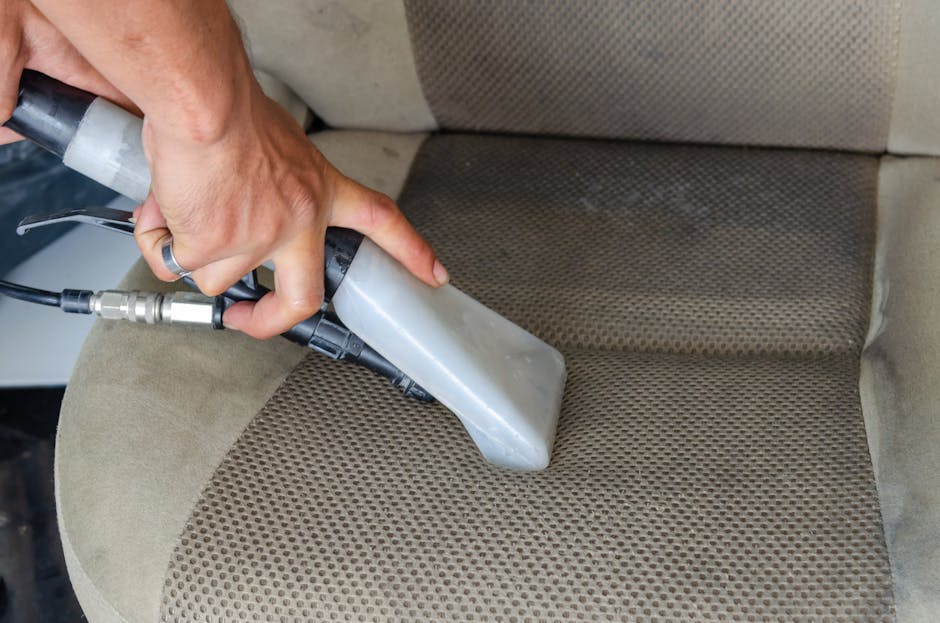
Pricing guide real cost of upholstery cleaning Hackney E8

If you have been trying to work out the real cost of upholstery cleaning in Hackney E8, you are not alone. Prices can look simple at first glance, then suddenly turn messy once fabric type, stain level, room access, and drying time enter the picture. In a flat off a busy Hackney street, or a family home where the sofa gets daily use, the numbers can shift more than people expect.
This guide breaks down what you are actually paying for, why quotes differ, and how to judge value without getting caught out by hidden extras. We will also cover the practical bits that matter in real life: what a decent clean should include, when specialist treatment is worth it, and how to compare options sensibly. If you want a clearer picture before you book, start with the service details on upholstery cleaning and the company's pricing and quotes information.
To be fair, upholstery cleaning is one of those services where the cheapest option is not always the best bargain. A bargain clean that leaves moisture in the cushions, misses the stubborn marks, or uses the wrong method can end up costing more later. Let's make the pricing side properly understandable.
Why Pricing guide real cost of upholstery cleaning Hackney E8 Matters
Knowing the real price is not just about saving money. It helps you choose the right service for the fabric, the level of soiling, and the kind of result you actually want. In Hackney E8, where homes range from compact modern flats to older terraces with narrow stairways and awkward access, price is often tied to logistics as much as cleaning itself.
People often assume upholstery cleaning is a one-price-fits-all job. It isn't. A lightly used armchair is a very different job from a three-seater sofa with pet hair, food marks, and years of body oils built up in the fibres. And yes, the smell can be the real issue, not the visible stain. Anyone who has sat down on a sofa and caught a faint stale odour knows exactly what that means.
When you understand pricing properly, you can ask better questions. Is the quote based on item type, seat count, material, stain treatment, or a minimum call-out? Is drying time included in the estimate? Is there an extra charge for tough marks or delicate fabrics? These details matter because they shape the final bill and the final result.
Expert summary: the "real cost" of upholstery cleaning is usually a mix of item size, fabric sensitivity, stain severity, access, and any specialist treatment needed. A proper quote should make that clear, not hide it.
If you are comparing upholstery with other soft furnishing jobs, it can also help to look at adjacent services like sofa cleaning, rug cleaning, and curtain cleaning so you can see how pricing logic changes across item types.
How Pricing guide real cost of upholstery cleaning Hackney E8 Works
Most upholstery cleaning quotes are built from a few basic variables. The cleaner first identifies the item, checks the material, and estimates how much labour, product, and drying time the job will take. Simple enough in theory. In practice, the details matter a lot.
Here is the usual pricing logic:
- Item type: chairs, armchairs, dining seats, footstools, sofas, and sectional pieces are priced differently.
- Fabric type: synthetic fabrics are often easier to clean than delicate natural fibres or specialist blends.
- Soiling level: light dust and general dullness cost less to treat than heavy staining or deep-set grime.
- Special stains: coffee, wine, ink, grease, and pet-related marks may need targeted stain removal.
- Access and setup: top-floor walk-ups, limited parking, or awkward entry routes can affect labour time.
- Method used: hot water extraction, low-moisture cleaning, or hand-treated spot work can all affect pricing.
- Protective or deodorising add-ons: fabric protection and odour removal are sometimes priced separately.
There is also the matter of inspection. A responsible cleaner will not guess too quickly. They will usually check the fabric label, test a small area if needed, and decide whether the piece can tolerate a wet process or needs a more cautious approach. That extra care can explain a higher quote, but it often prevents damage. And damage is the expensive bit, isn't it?
For people who want a broader view of how cleaning quotes are structured, the company's pricing and quotes page is useful because it sets expectations before the job starts rather than after the bill arrives.
Key Benefits and Practical Advantages
Once you understand the pricing model, the benefits become much clearer. You are not just paying for a cleaner-looking sofa. You are paying for comfort, hygiene, and the chance to keep decent furniture in use longer. In a city like London, where replacing good furniture can be far more expensive than maintaining it, that matters.
- Better budgeting: you can decide whether to clean one item, multiple items, or the whole room set.
- Longer furniture life: regular cleaning helps reduce wear from grit, body oils, and trapped residue.
- Improved appearance: even a tired-looking sofa can often regain a fresher, more even finish.
- Odour reduction: helpful for homes with pets, cooking smells, or damp-related lingering odours.
- Healthier indoor feel: while not a medical treatment, cleaning can reduce visible dirt and common build-up in fabrics.
- Lower replacement pressure: cleaning is usually far cheaper than buying new furniture, especially for quality pieces.
There is also a practical home-life benefit that people sometimes overlook: a cleaner sofa or dining chair set makes the room feel less "lived in chaos" and more settled. Small thing, maybe. But you notice it the second you sit down with tea.
If sustainability matters to you, it may also be worth reviewing the business's recycling and sustainability approach, especially if you are trying to make better choices around maintenance and replacement.
Who This Is For and When It Makes Sense
This pricing guide is useful for almost anyone with upholstered furniture, but it is especially relevant if you are in one of these situations:
- You are moving out and want furniture to look its best before handover or sale.
- You have pets and need help with hair, odour, or the occasional accident.
- You host guests regularly and want seating to look clean, not just passable.
- You are managing a rental property or HMO and want to keep furniture in respectable condition.
- You own a nicer sofa or statement chair and want to protect the investment.
- You have a fabric that looks dull but is not actually damaged, which is often the sweet spot for cleaning.
It also makes sense if you have already tried DIY spot cleaning and realised that a household spray and a cloth can only do so much. Truth be told, some stains can be made worse by over-wetting or scrubbing. You get a pale patch, then a tide mark, and then the whole room is a bit annoyed with you.
For households dealing with pet-related issues, the pet stain and odour removal service is worth looking at alongside upholstery cleaning, because odour is often the hidden problem even when the stain itself is faint.
Step-by-Step Guidance
Here is a sensible way to approach upholstery cleaning costs without getting lost in jargon.
- Identify the item clearly. Note whether it is a two-seater sofa, three-seater, armchair, dining chair, footstool, or something more specialist.
- Check the fabric tag. Look for care instructions. If the label is missing, say so upfront. That helps the cleaner choose a safe method.
- Photograph the problem areas. A few clear pictures of stains, wear, or pet damage can make the quote more accurate.
- Describe the issue honestly. Don't downplay it. Coffee spill from last week and a mark that has been there since 2021 are not the same thing.
- Ask what the quote includes. Find out whether stain treatment, deodorising, and pre-treatment are part of the price.
- Confirm access details. Mention stairs, parking, restricted access, or timed entry if relevant.
- Compare like for like. One cleaner may look cheaper until you realise they are quoting only for basic cleaning, not deep stain work.
- Ask about drying expectations. A slightly more expensive but better-controlled process can save a lot of inconvenience later.
A small tip from experience: write down your questions before you call. Sounds simple, but it saves the "oh yes, I meant to ask that" moment after the quote is already emailed over.
If you want to understand how the company handles bookings and payment clarity, the pages on payment and security and terms and conditions are worth a quick read too.
Expert Tips for Better Results
Price is one thing. Value is another. These tips help you get the better end of both.
- Pre-vacuum first if you can. Loose dust and crumbs are cheaper to remove before deep cleaning starts.
- Point out every stain, not just the obvious one. Hidden marks often show up after the surface dirt lifts.
- Ask for fabric-appropriate methods. A velvet chair and a synthetic sofa should not be treated the same way.
- Consider cleaning in batches. Several items in one visit can be more efficient than separate appointments.
- Be careful with DIY stain products beforehand. Some create colour loss or residue that makes the professional job harder.
- Choose timing wisely. Early in the day can be better if drying time matters and you want airflow through the room.
Another practical detail: in a damp spell, drying can be slower. Not dramatic, just real life in London. If the room is cool and the windows stay shut, your sofa may stay touch-damp for longer than expected. It is one of those unglamorous facts nobody talks about until they are waiting to sit down again.
For delicate items, it is worth checking whether the business offers or recommends matching services such as stain removal or steam carpet cleaning where appropriate, because whole-home cleaning plans can sometimes be better value than treating each item in isolation.
Common Mistakes to Avoid
Most pricing problems come from bad assumptions, not bad luck. A few common ones keep showing up.
- Choosing the lowest quote blindly. If the price seems far below others, check what is excluded.
- Not mentioning stains or pet issues. This is the fastest route to a quote that changes on arrival.
- Assuming all fabrics can be wet cleaned. Some cannot, or at least should not be without careful testing.
- Forgetting access details. Long carries and awkward entry points add time and can affect cost.
- Using a harsh home product first. That can lock in the stain or change the fabric finish.
- Ignoring drying conditions. Booking a clean right before a busy family evening is, frankly, asking for annoyance.
One of the sneakiest mistakes is comparing only the headline price. A quote with a slightly higher base fee may actually include more pre-treatment, better equipment, or safer handling. That tends to be the better deal in the end. Usually.
If you are weighing upholstery care against other items in the home, the same caution applies to mattress cleaning and rug cleaning too. Different materials, different risks, different outcomes.
Tools, Resources and Recommendations
You do not need a kit full of gadgets to make a good decision, but a few basic tools help you prepare and compare quotes properly.
- Your phone camera: useful for documenting stains, fabric texture, and general wear.
- The furniture label: if it is there, it helps the cleaner assess the safest method.
- A tape measure: measurements are handy when you are not sure whether a sofa counts as compact, standard, or oversized.
- Paper towel and clean cloth: for blotting only, not aggressive scrubbing.
- A shortlist of questions: ask what the price includes, whether protective treatment is optional, and how long drying normally takes.
On the decision side, a useful recommendation is to ask for itemised pricing if the job is more than one piece. That makes it easier to see where the money is going and whether a bundled appointment is genuinely better value.
Also, read the company's insurance and safety information before booking. It is not the glamorous bit, but it is one of the most reassuring parts. You want to know the work is being handled responsibly, especially in a home with children, pets, or fragile furnishings.
Law, Compliance, Standards, or Best Practice
For upholstery cleaning, the main practical issue is not legal complexity so much as safe, professional working practice. A reputable cleaner should follow sensible UK business standards around safe chemical use, clear communication, and care of property. That includes knowing when not to over-wet a fabric, when to test first, and when to refuse a risky method.
From a customer point of view, best practice means:
- clear written or confirmed quotes;
- honest explanations of exclusions or extra charges;
- safe handling of cleaning agents and equipment;
- respect for your property and access arrangements;
- transparent complaint handling if something goes wrong.
If you like to understand the business side as well, the company's complaints procedure and privacy policy show the sort of administrative clarity you should expect from a professional service. It is a small thing that says a lot, really.
For accessibility concerns, especially if you need information in a more usable format, the accessibility statement is another sign of a business that thinks beyond the appointment itself.
Options, Methods, or Comparison Table
Not every upholstery clean is the same. The method used can shape both the price and the result. Here is a simple comparison.
| Method | Best for | Typical strengths | Pricing impact | Watch-outs |
|---|---|---|---|---|
| Hot water extraction | Many synthetic sofas and chairs | Deep clean, strong soil removal, good for general refresh | Often mid-range, sometimes higher if drying needs are greater | Not ideal for every delicate fabric |
| Low-moisture cleaning | Delicate or time-sensitive jobs | Faster drying, lower water load | May be similar or slightly higher depending on process and product | May not suit every heavy stain |
| Targeted stain treatment | Problem spots, accident marks, localised damage | Focused on specific stains, can improve results without full reset | Usually added on top of base cleaning | Outcomes vary by stain age and fabric type |
| Odour-focused treatment | Pet, smoke, stale smell concerns | Addresses lingering smells rather than just visible dirt | Often an add-on | Deep odours may need more than one pass |
As a rule, the more delicate or troublesome the item, the more the process matters. That is why a quote based only on "one sofa" can be misleading. A modern polyester sofa and an antique fabric chair are both upholstery, yes, but they are not the same job at all.
Case Study or Real-World Example
Here is a realistic example based on the kind of job people ask about in Hackney E8.
A couple living in a first-floor flat had a three-seater sofa and two dining chairs cleaned. The sofa looked generally fine from a distance, but close up you could see old drink marks on one arm, dull patches along the seating area, and a faint pet smell after winter when the windows had barely been open. Nothing catastrophic. Just the sort of everyday wear that sneaks up on you.
They first asked for a quote based on the sofa alone, then added the chairs after realising they were all in the same room and would benefit from being cleaned together. That changed the value quite a bit. The chairs were quick to clean, the sofa took longer because of the stain treatment and deodorising, and the overall appointment felt more efficient than booking separate visits.
The real lesson was not the exact price. It was that the final cost reflected three things: item size, staining, and whether they wanted a basic freshen-up or a more complete restorative clean. Once they saw that clearly, the decision became easy. No guesswork. No surprise add-ons. Much calmer.
That is usually how good pricing works. It feels fair because it is explained before the job starts.
Practical Checklist
Use this quick checklist before you book.
- Identify every upholstered item you want cleaned.
- Note any visible stains, smells, pet hair, or wear patches.
- Check the care label if one is available.
- Take clear photos in good light.
- Ask whether stain treatment is included or charged separately.
- Ask about drying expectations and room ventilation.
- Confirm access details, parking, and any stairs.
- Compare the quote against itemised alternatives, not just the headline figure.
- Review payment and security details before confirming.
- Keep the booking notes handy in case you need to reference them later.
If you can tick most of those off, you are in a good place. Really.
Get a free quote today and see how much you can save.
Conclusion
The real cost of upholstery cleaning in Hackney E8 is not just a number on a page. It is a reflection of fabric type, item size, stain complexity, access, and the level of care needed to do the job properly. Once you understand those variables, pricing starts to make sense.
If you compare quotes carefully, ask the right questions, and look beyond the cheapest headline price, you will usually end up with a better result and fewer headaches. That is the whole point, after all: cleaner furniture, less stress, and a home that feels looked after. Simple, but not always easy.
And if the sofa is looking tired right now, don't panic. Most of the time, it is more recoverable than it looks at first glance.
Frequently Asked Questions
How much does upholstery cleaning usually cost in Hackney E8?
It depends on the item, fabric, stains, and access. A small chair is usually cheaper than a large sectional sofa, and specialist stain work can increase the price. The most reliable approach is to request a quote based on the exact items and condition.
Why do upholstery cleaning prices vary so much?
Because not every job is the same. Fabric sensitivity, stain age, pet odour, drying needs, and travel or access issues can all affect labour and materials. Two sofas can look similar from across the room and still require very different treatment.
Is upholstery cleaning worth the money?
Usually, yes, if the furniture is still in good structural condition. Cleaning often costs far less than replacing a quality sofa or chair, and it can improve appearance, comfort, and general freshness. For many people, that is a very sensible trade-off.
What is included in a standard upholstery clean?
Typically, a standard clean includes inspection, pre-treatment, the cleaning process itself, and some level of grooming or finishing. However, stain removal, odour treatment, or protective applications may be extra, so it is worth confirming before booking.
Do pet stains cost more to clean?
Often they can, because pet-related issues may involve both staining and odour trapped in the fibres or cushioning. A cleaner may need to use targeted treatment rather than a basic refresh. The exact price depends on severity and fabric type.
Can all upholstery be wet cleaned?
No. Some fabrics need low-moisture methods or specialist care. A responsible cleaner will check the material and, if necessary, test a small area first. That is one of the reasons professional assessment matters.
How long does upholstery take to dry?
Drying time varies with method, room temperature, ventilation, and how much cleaning was needed. In cool or damp conditions, it can take longer. If drying matters because you need the room back quickly, ask about the method before you book.
Should I choose the cheapest upholstery cleaning quote?
Not automatically. A low quote can be good value, but it can also exclude important treatment or use a less suitable method. Always compare what is included, not just the number at the bottom.
Can I clean upholstery myself instead?
You can tackle light maintenance, but deep stains, odours, and delicate materials are easy to mishandle. A wrong product or too much water can make the issue worse. For anything important or fragile, professional cleaning is usually the safer route.
How do I know if a quote is fair?
A fair quote should be clear, itemised where needed, and based on the actual condition of the furniture. If the quote explains what is included, mentions possible extras, and matches the complexity of the work, that is usually a good sign.
Is upholstery cleaning suitable for rental properties and landlord inventories?
Yes, very often. Clean upholstery can help a rental property look cared for and more presentable. It is especially useful before new tenants move in or when furniture needs refreshing between lets.
Where can I find more details about the service and booking?
You can review the upholstery cleaning service page for more context, and the contact page if you want to ask about your specific items. That is usually the quickest way to get a price that actually reflects the real job.