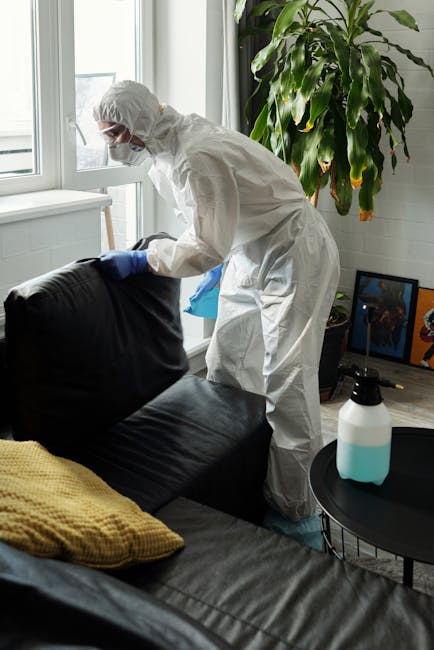
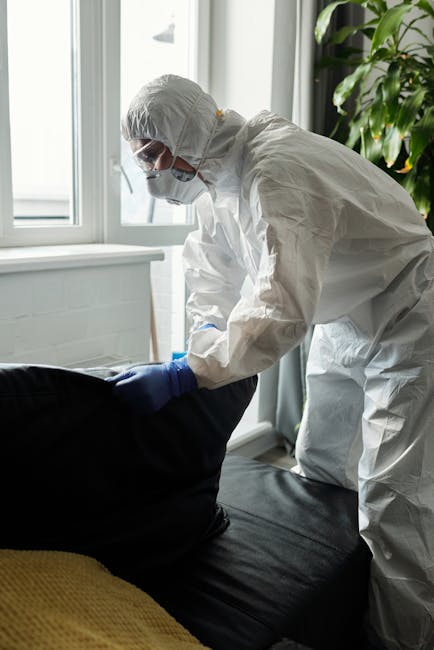
Same day cleaning and emergency stain removal E9
Spills happen at the worst possible time. Red wine on a pale rug. Tea on the stair carpet five minutes before guests arrive. Mud tracked in after a wet London walk. If you are searching for Same day cleaning and emergency stain removal E9, you probably do not want theory right now - you want calm, practical help that works quickly and does not make a bad situation worse.
This guide explains what same day cleaning involves, how emergency stain removal works in real homes and businesses, and how to decide what should be tackled immediately versus what can wait. It also covers common mistakes, useful preparation, and the standards that sensible local cleaners should follow. Truth be told, the first 10 minutes after a spill matter a lot. But the good news is, a lot can still be saved.
Whether you are dealing with upholstery, rugs, carpets, or a sudden mess in a shared property, the aim is the same: reduce damage, protect fibres, and restore the space as quickly and safely as possible. If you want to understand the process before booking, you are in the right place.
Table of Contents
- Why Same day cleaning and emergency stain removal E9 Matters
- How Same day cleaning and emergency stain removal E9 Works
- Key Benefits and Practical Advantages
- Who This Is For and When It Makes Sense
- Step-by-Step Guidance
- Expert Tips for Better Results
- Common Mistakes to Avoid
- Tools, Resources and Recommendations
- Law, Compliance, Standards, or Best Practice
- Options, Methods, or Comparison Table
- Case Study or Real-World Example
- Practical Checklist
- Conclusion
- Frequently Asked Questions
Why Same day cleaning and emergency stain removal E9 Matters
When a stain lands, time becomes part of the problem. The longer a spill sits, the more it can sink into carpet backing, upholstery foam, or natural fibres. A fresh stain may still be manageable with careful treatment. A set-in stain often needs stronger chemistry, more dwell time, and more labour, and even then the result can be mixed. That is why same day cleaning is not just a convenience. In many cases, it is the difference between recovery and permanent marking.
In E9, where people live and work in a mix of flats, shared homes, rental properties, cafes, studios, and busy family households, urgent cleaning often needs to happen fast and quietly. Maybe a tenant is moving out tomorrow. Maybe a landlord wants to protect a deposit issue from escalating. Maybe a shop floor has a spill before opening. Or maybe it is simply one of those evenings when the sofa takes a hit and everyone freezes for a second. Happens more than people admit.
Emergency stain removal matters because different stains behave differently. Protein-based stains such as milk, blood, or food can respond badly to heat. Tannin stains like tea or coffee can spread if over-wet. Oils need solvent-style treatment or emulsification. Dye-based stains, including ink or some drinks, can be stubborn and may need a careful multi-step approach. The wrong move can fix the stain deeper into the fibres. Not ideal, obviously.
There is also a hygiene angle. Some spills are not just cosmetic. Pet accidents, vomit, or food waste can create odours and bacteria concerns if they are left too long. In a shared flat or rental property, that can become a bigger issue very quickly. Same day cleaning helps reduce lingering smells, moisture damage, and friction between people who are already stressed.
If you want a service that is structured, transparent, and built around care rather than guesswork, it helps to work with a team that explains its process openly. You can learn more about the company approach on the About Us page and review practical service expectations in the Terms and Conditions.
How Same day cleaning and emergency stain removal E9 Works
Urgent cleaning usually starts with a quick assessment, not a full deep clean. That assessment is the part many people underestimate. A good cleaner will want to know what was spilled, what the surface is made from, how long the stain has been there, and whether anyone has already tried to treat it. That last point matters a lot. Home remedies are well meant, but they can create a bigger problem.
The process generally looks something like this:
- Identify the stain and surface. Carpet, wool rug, synthetic fibre, velvet, microfibre, leather, or mattress fabric all behave differently.
- Test the risk. A careful cleaner looks for colourfastness, fibre sensitivity, and any signs of previous damage.
- Choose the right treatment. This may involve spotting agents, controlled moisture, agitation, extraction, or deodorising.
- Work from the outside in. That helps prevent the stain spreading into a larger mark.
- Rinse and extract properly. Leaving cleaning product behind can attract dirt later.
- Dry the area. Fast drying reduces odour, wicking, and the risk of mould or musty smells.
Same day response is especially useful when the issue is still active. For example, a fresh wine spill on a dining chair can often be treated before it becomes a red ring. A muddy entrance carpet may be dealt with before the dirt is walked deeper through the property. A pet accident, if addressed promptly, is usually far easier to control than one discovered the following morning. That is just the reality of it.
Good emergency cleaning is not about soaking everything and hoping for the best. It is measured. A technician uses enough solution to break down the stain, but not so much that the carpet underlay or upholstery fills with moisture. In real terms, that balance matters more than most people think.
For customers who want clarity around prices and what is included, the Pricing and Quotes page is a sensible next stop. If you need to discuss access, timing, or an urgent booking, use the Contact Us page.
Key Benefits and Practical Advantages
The obvious benefit is speed, but there is more to it than that. Same day cleaning is useful because it reduces the knock-on effects that one stain can create. Let's face it, nobody wants a small spill turning into a smell, a complaint, or an expensive replacement.
- Less permanent damage: Fresh stains are usually easier to lift than old ones.
- Better odour control: Rapid treatment helps stop sour, damp, or sugary smells from settling in.
- Lower disruption: One quick visit can prevent days of trying to sort it yourself.
- Improved presentation: Useful for viewings, check-outs, events, and customer-facing spaces.
- Reduced stress: A practical response is calming when everything feels a bit chaotic.
- Better hygiene: Especially important after food spills, pet accidents, or bodily fluids.
There is also a decision-making benefit. When you know a technician can arrive the same day, you do not waste time trying five different internet remedies in the kitchen while the stain slowly spreads. You can stop, assess, and get the right treatment the first time. That alone is worth a lot.
From a property point of view, prompt cleaning can support maintenance standards. Landlords, agents, and tenants all have different priorities, but clean surfaces help everyone. A room that is visibly cared for feels more settled, more honest, and less likely to trigger avoidable disputes. Small thing, perhaps. But it matters.
If you are thinking beyond the immediate fix and want reassurance about safety and professionalism, it can help to review the company's Insurance and Safety information and its Health and Safety Policy.
Who This Is For and When It Makes Sense
Same day cleaning and emergency stain removal E9 is not only for big disasters. In fact, many bookings are for everyday situations that have become urgent because of timing. A decent cleaner should be just as useful for a single chair as for an entire room.
This service makes sense for:
- Homeowners dealing with sudden spills before guests arrive or before a family event.
- Tenants who want to protect a deposit and avoid lasting marks on carpets or furniture.
- Landlords and letting agents preparing a property for handover or inspection.
- Offices and small businesses that need a fast clean in public-facing areas.
- Hospitality venues where presentation and hygiene are part of the customer experience.
- Families and pet owners who deal with repeat accidents, muddy paws, or the odd one-off mishap.
It also makes sense when the stain is on a fabric or surface that should not be aggressively scrubbed. Wool, silk, older upholstery, and delicate rugs can be ruined by over-enthusiastic DIY treatment. The same is true for surfaces with previous cleaning damage. You might not notice it at first, but a slightly rough patch can become a bald patch very quickly. Bit annoying, that.
There are times when same day cleaning may be less urgent than controlled drying or a planned deep clean. If the stain is old, set hard, or extremely widespread, the best result may come from a more considered visit rather than a rushed one. A good provider should say that plainly. Urgency is useful, but honesty is better.
Step-by-Step Guidance
If you are facing a fresh stain right now, here is a sensible sequence to follow before help arrives. These steps are general and careful; they are not a substitute for specialist treatment when the stain is difficult or the material is delicate.
- Act quickly, but calmly. Do not rub hard. Use a clean cloth or paper towel to blot excess liquid.
- Keep the stain from spreading. Work from the outer edge inward. Pressure should be light.
- Avoid random chemicals. Mixing products can cause colour loss, odours, or residue. One product on top of another is often a bad idea.
- Note what caused the stain. Wine, coffee, grease, paint, ink, makeup, or pet mess all need different treatment.
- Check the fabric label if visible. Some upholstery and rugs are more sensitive than they look.
- Ventilate the area. Open a window if it is practical and safe to do so.
- Take a quick photo. Helpful if you are comparing before-and-after results or explaining the issue to a technician.
- Book same day help. The sooner the stain is assessed, the better the odds of a clean result.
Once a cleaner arrives, expect a brief walk-through. They may ask where the stain started, whether the area has been treated already, and if there is any colour bleed risk. They might also test a small corner before applying a full treatment. That is normal. It is not hesitation; it is care.
If the stain is on a carpet, the process may include pre-treatment, agitation, extraction, and drying support. On upholstery, lower moisture and targeted cleaning are often preferable. On rugs, especially older or natural-fibre items, a more conservative method may be required. No two jobs are quite the same, which is why the best results usually come from judgement rather than a preset routine.
Expert Tips for Better Results
There are a few small things that make a surprisingly big difference. These are the kinds of details experienced cleaners pay attention to, and they are worth knowing if you want a better outcome.
- Blot, do not scrub. Scrubbing pushes the stain deeper and can rough up fibres.
- Use as little water as possible at first. Over-wetting often creates a larger mark than the original spill.
- Tell the truth about DIY attempts. If you have already used vinegar, washing-up liquid, stain spray, or bleach, say so. No judgement. It just helps the treatment.
- Keep pets and children away from the area. That helps with safety and drying.
- Ask about drying time. A clean surface is only half the job if it stays damp for hours.
- Prioritise the hardest-looking stain first. Often the spot that looks small is the one that needs the most careful attention.
A very practical tip: if the spill is still wet, place a clean towel on top and press gently with your hand for a few seconds. Then lift. Repeat with fresh towel sections. It sounds basic because it is basic, and basic is often what works.
Another useful detail is airflow. Even a well-cleaned area can feel less fresh if the room is stuffy. In cooler weather, opening windows for short bursts can help. In summer, a fan can speed things along. Nothing fancy. Just sensible drying support.
For customers who value responsible service, you may also want to read about recycling and sustainability practices. It is a small part of the bigger picture, but more people ask about it now, especially when choosing repeat cleaning services.
Common Mistakes to Avoid
A lot of stain damage happens after the spill, not because of the spill itself. That sounds dramatic, but it is true. A rushed reaction can set a stain in place or leave an ugly halo behind.
- Rubbing aggressively: This is the most common mistake. It can damage pile and spread the mark.
- Using hot water on the wrong stain: Heat can set protein and some dye stains.
- Pouring lots of cleaner onto the spot: More product is not always better. Sometimes it just creates residue and wicking later.
- Trying every product in the cupboard: Mixing cleaners can be risky and may damage the surface.
- Ignoring the underlay or padding: A stain may look small on top but have soaked deeper underneath.
- Waiting too long to ask for help: "Let's see if it dries out" is a gamble. Usually not a great one.
Another mistake is assuming every stain should be removed in one go. Some marks need a staged approach, especially if the material is delicate or the stain has already begun to oxidise. A sensible cleaner will explain what is realistic. That honesty is often more valuable than a bold promise.
And, just to say it plainly, bleach is not a universal hero. It can strip colour, weaken fibres, and leave a patch that looks worse than the original stain. It's the cleaning equivalent of shouting louder when someone hasn't heard you. Usually not the answer.
Tools, Resources and Recommendations
Emergency cleaning often depends on having the right tools to hand and choosing the right method for the material. For readers trying to understand what professional cleaners may bring, here is a practical overview.
| Tool or Product | What it is used for | Why it matters |
|---|---|---|
| Absorbent cloths or towels | Blotting fresh spills and lifting moisture | Reduces spread and helps control the first stage |
| Spotting agents | Breaking down specific stains such as tannin, oil, or food residue | Targets the stain without over-treating the whole area |
| Extraction equipment | Rinsing and removing soil, residue, and excess moisture | Helps avoid sticky residue and shortens drying time |
| Soft brushes or grooming tools | Gentle agitation on carpets and some upholstery | Improves product contact without harsh rubbing |
| Odour treatment products | Addressing smells from food, pets, or organic spills | Useful when the issue is as much smell as stain |
| Protective gloves and covers | Safety and hygiene during messy or unknown spill clean-up | Helps protect people and surfaces |
Resource-wise, it is worth using clear service information before booking. That includes details about pricing, safety, payment, and what happens if the stain cannot be fully removed. The company pages on Payment and Security and Pricing and Quotes are useful for that kind of practical check.
A brief note on products: many household cleaners are fine for general use, but emergency stain removal is a bit more exacting. Strong fragrances can mask odour without fixing the source. Heavy detergents can leave residue. And aerosol spotters can be a mixed bag. Best to keep things measured.
Law, Compliance, Standards, or Best Practice
For a cleaning service, good practice matters as much as the visible result. In the UK, that usually means taking a careful, sensible approach to safety, product use, and customer information rather than making exaggerated promises. If cleaning occurs in a rented property, a business, or a shared building, the provider should work in a way that respects access rules, occupant safety, and the condition of the premises.
From a customer perspective, three things stand out:
- Safety: Cleaning products and methods should be used with care, particularly around children, pets, and sensitive fabrics.
- Transparency: You should understand what the service can and cannot reasonably do.
- Privacy and trust: If booking details or contact information are collected, they should be handled responsibly.
It is also sensible for cleaners to have clear policies around complaints, access, and insurance. Those pages may sound dull, but they are actually part of good service. If something goes wrong, people want a clear route to resolve it. For that reason, the company's Complaints Procedure and Privacy Policy are worth reviewing before booking.
Best practice also includes being honest about limitations. A stain may be reduced significantly without disappearing completely. A fragile rug may need conservative treatment. A heavily worn carpet may still show some shadowing after cleaning. That does not mean the work failed; it means the material has its own history. A good cleaner will say so, plainly and without fluff.
Options, Methods, or Comparison Table
Not every urgent stain needs the same solution. Sometimes a quick spot treatment is enough. Sometimes a full same day carpet clean makes more sense. Sometimes the safest move is partial cleaning now and a deeper restoration later. Here is a simple comparison.
| Method | Best for | Pros | Limitations |
|---|---|---|---|
| Spot treatment only | Small fresh stains on carpets or upholstery | Fast, targeted, low disruption | May not solve deep penetration or odour |
| Targeted stain removal with extraction | Most emergency spills, including drinks and food | Good balance of cleaning power and control | Requires access, drying time, and correct diagnosis |
| Full room clean | Multiple marks, overall dullness, or post-event clean-up | More even finish, better for visible areas | Takes longer and may not be necessary for one stain |
| Conservative specialist treatment | Delicate rugs, antique fabrics, or uncertain fibre types | Reduces risk of damage | May be slower and may not fully remove every mark |
In practice, the best option depends on what is stained, how quickly the team can respond, and what result you need. A student flat with a tea stain is a different job from a restaurant banquette with grease and drink spill build-up. Same headline issue, very different treatment.
Case Study or Real-World Example
Here is a realistic example. Imagine a family in E9 has a light carpet in the living room. Early evening, someone knocks over a glass of fruit juice during a quick snack before guests arrive. The spill is large enough to be visible, but not so large that the room is unusable. They blot the area gently, avoid scrubbing, and call for same day help.
When the cleaner arrives, they assess the carpet type, test the affected area, and apply a stain treatment suited to the drink residue. They work gradually rather than flooding the pile. A careful extraction follows, then the area is dried so it does not stay damp into the night. By the time the guests arrive, the carpet is in much better shape and the room no longer feels like there is a crisis hanging over it. Which, to be fair, is often half the battle.
Now compare that with the same spill left until the next morning. Juice dries sticky, attracts dirt, and can leave a pale ring. If someone then scrubs it with a harsh cleaner, the fibre can flatten and the original mark becomes even more obvious. That is why urgency matters. Not because every stain is dramatic, but because small delays add up fast.
These are the cases where a calm same day response really earns its keep. It saves time, lowers stress, and usually gives the best chance of a tidy outcome without turning the whole room upside down.
Practical Checklist
Use this checklist if you are dealing with a spill right now or planning to book emergency help.
- Identify what was spilled, if possible.
- Blot gently with a clean, dry cloth.
- Do not scrub or rub the area.
- Avoid mixing household cleaning products.
- Keep note of any products already used on the stain.
- Check whether the fabric or carpet looks delicate, old, or colour-sensitive.
- Take a photo before more cleaning is attempted.
- Make sure the area is accessible for a same day visit.
- Ask what drying time to expect.
- Review service details, pricing, and safety information before confirming.
Expert summary: The best emergency stain removal is calm, targeted, and fast. The goal is not to attack the stain; it is to remove it without damaging the surface around it. That distinction matters more than people think.
Conclusion
Same day cleaning and emergency stain removal E9 is about more than speed. It is about protecting surfaces, reducing stress, and making sure a fresh problem does not become a lasting one. In the right hands, a sudden spill becomes a manageable job, not a disaster. And in the real world, that reassurance is worth a lot.
If you are comparing providers, look for clear communication, sensible treatment methods, transparent pricing, and a straightforward process for questions or concerns. The practical pages on insurance and safety, pricing and quotes, and contact options are good places to begin.
Get a free quote today and see how much you can save.
Sometimes the best thing you can do is handle the spill, take a breath, and let a proper professional deal with the rest. One small mess, sorted well, can change the whole feel of the day.
Frequently Asked Questions
What does same day cleaning usually cover?
It normally covers urgent spot cleaning, stain removal, and quick-response cleaning for carpets, upholstery, rugs, mattresses, and similar surfaces. The exact scope depends on the material, the stain type, and how accessible the area is.
How quickly should I act after a spill?
As quickly as possible. The first few minutes are the most useful for blotting excess liquid and preventing spread. Even if you cannot treat the stain properly right away, fast action usually improves the final result.
Can every stain be removed on the same day?
No, and it is better to be honest about that. Fresh stains often respond well, but old, set-in, or chemically altered stains may only be reduced rather than fully removed. Delicate fabrics can also limit how far treatment can go.
Is same day stain removal safe for upholstery?
Yes, when the cleaner uses the right method for the fabric. Upholstery needs careful moisture control, suitable products, and proper testing. It is not a one-size-fits-all job.
What should I do before the cleaner arrives?
Blot the stain gently, avoid scrubbing, stop using random products, and make the area easy to access. If possible, keep pets and children away from the spot so the cleaner can work safely and efficiently.
Why did the stain come back after cleaning?
That is often called wicking, where residue or moisture rises back up as the fabric dries. It can happen if the area was over-wet or not extracted thoroughly enough. Proper drying and balanced treatment help reduce the risk.
Does emergency cleaning cost more than a normal appointment?
It can, because same day response usually means faster scheduling and more immediate labour. That said, the best approach is to ask for a clear quote and understand what is included before confirming a booking.
Can you clean pet accidents the same day?
Usually, yes. Pet accidents are often treated as urgent because of both smell and hygiene. The cleaner will typically focus on removing the residue, neutralising the odour, and drying the area properly.
What if I already tried a shop-bought stain remover?
Tell the cleaner exactly what you used. That information helps them avoid product clashes and choose the safest next step. It is very common, so there is no need to feel awkward about it.
How long will the area take to dry?
Drying time varies by material, method, ventilation, and how much moisture was needed. A responsible cleaner should give you a realistic expectation rather than a guess. Good airflow usually helps.
Is emergency cleaning suitable for rented properties?
Yes. In rented homes, fast cleaning can help protect carpets, fixtures, and deposits. It also supports a cleaner handover if an inspection, checkout, or new tenancy is approaching.
How do I choose a trustworthy same day cleaner?
Look for clear service information, transparent pricing, sensible safety guidance, and straightforward communication. A trustworthy provider should explain the process, answer questions clearly, and avoid unrealistic promises.