What to know about Hackney Council rules for waste disposal
If you live, work, or manage a property in Hackney, waste disposal can feel straightforward right up until it suddenly isn't. One missed collection day, one wrong bag, or one bulky item left in the wrong place, and you are dealing with complaints, fines, or that awkward moment when the street starts looking a bit worse for wear. This guide explains what to know about Hackney Council rules for waste disposal in plain English, so you can sort rubbish, recycling, and larger items without the guesswork.
We'll cover how the system generally works, why the rules matter, who needs to pay attention, and the practical habits that keep everything tidy and compliant. A few small details make a big difference here. Honestly, that's often where people get caught out.
Why What to know about Hackney Council rules for waste disposal Matters
Waste disposal rules are not just about keeping the pavement looking neat. They affect public health, pest control, shared living standards, fire safety, and how smoothly a neighbourhood functions. In a busy part of London like Hackney, waste builds up fast. A few overloaded bins or a pile of black bags left out too early can become a smell issue before lunchtime. And if you've ever walked past overflowing rubbish on a warm day, you'll know exactly what that means.
For households, the biggest issue is usually simple compliance: putting the right material in the right bin at the right time. For landlords, managing agents, and local businesses, the stakes are higher because improper disposal can trigger complaints from neighbours, tenants, and enforcement teams. The rules exist to keep collection routes efficient and to reduce contamination in recycling streams.
There is also a practical side people sometimes overlook. When you follow the correct disposal process, you usually save time, avoid repeat trips, and reduce the odds of having to re-sort a messy bag of mixed waste later. To be fair, nobody enjoys doing waste twice.
If your home or business produces more recyclable materials, it can help to look at your broader habits too. For example, a property that already makes sensible choices around recycling and sustainability tends to find council waste rules easier to manage in the long run.
How What to know about Hackney Council rules for waste disposal Works
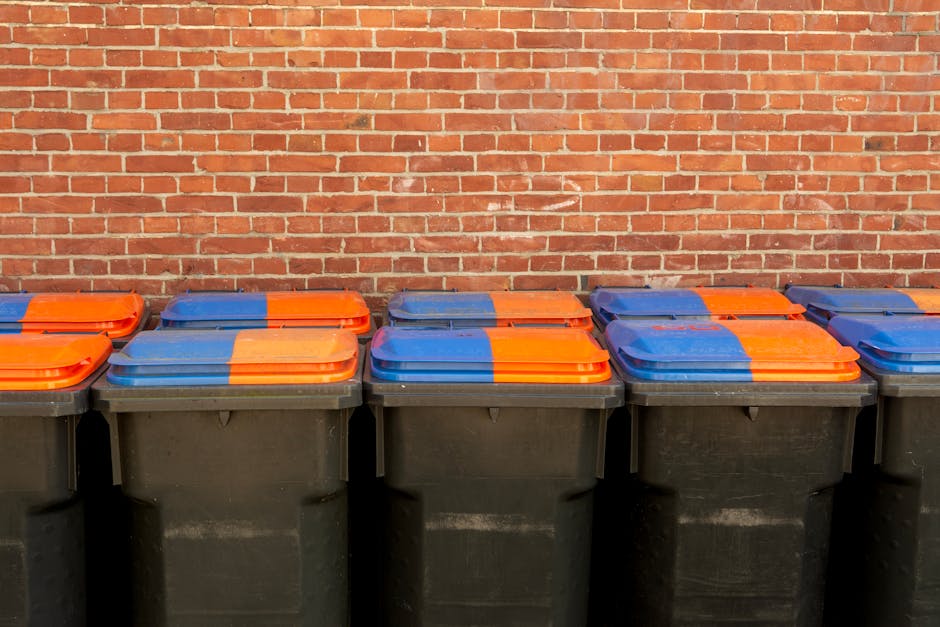
At a basic level, Hackney Council waste arrangements usually follow the same logic as most London borough systems: different waste types go into different containers, collections happen on set schedules, and some items need special handling. The key is not just disposal, but separation.
Most residents need to think about the following categories:
- General waste for items that cannot be reused or recycled through standard collection.
- Dry mixed recycling for common recyclable household materials, depending on local guidance.
- Food waste where a separate collection system is in place.
- Garden waste if you use a dedicated service or local arrangement.
- Bulky waste for larger items that cannot fit inside normal bins.
- Special or hazardous waste for items that need separate treatment.
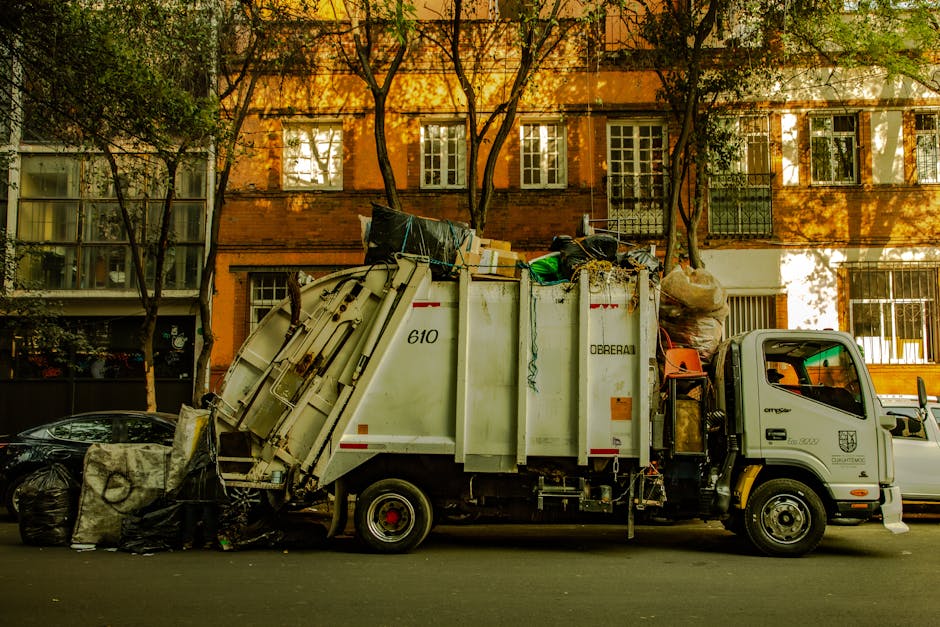
Collection day timing matters too. Waste should usually be placed out in the approved way and at the expected time, rather than left out all day. That sounds obvious, but in practice it is one of the most common slip-ups. A bag left out the night before can tear, attract foxes, or get moved around by wind and traffic. Hackney isn't exactly short of movement on a weekday morning.
For businesses, the process is a little more demanding. Commercial premises are often responsible for arranging their own waste storage, collection, and duty-of-care checks. If you run a shop, office, or rental property, the sensible move is to keep a written routine so staff are not improvising every week.
One more thing: rules can change depending on waste type, property type, and service availability. So if you are dealing with an unusual item or repeated collection issue, it is worth checking the current council guidance directly rather than relying on old habits. Waste rules have a way of changing just when people think they've got them sorted.
Key Benefits and Practical Advantages
Following Hackney Council waste disposal rules properly brings more benefits than people expect. It is not just about compliance; it improves day-to-day life in obvious, practical ways.
- Cleaner streets and communal areas - fewer loose bags, less litter spread, fewer smells.
- Better recycling results - less contamination means recyclable material is more likely to be processed correctly.
- Fewer complaints - neighbours, tenants, and visitors are less likely to raise issues about overflowing waste.
- Lower risk of enforcement problems - keeping to the rules reduces the chance of warnings or penalties.
- Less pest attraction - sealed, timely disposal helps deter rats, foxes, flies, and gulls.
- More efficient household routines - once you build the habit, waste becomes one less thing to think about.
There is a quieter benefit too: peace of mind. When bins are managed properly, you do not spend half the week wondering whether a missed item is going to cause trouble. That alone is worth something.
For shared buildings, the right waste routine also improves neighbour relations. Waste areas in blocks of flats can become flashpoints very quickly, especially where people move in and out often. A simple, consistent system often prevents those tiny irritations from becoming big arguments.
Who This Is For and When It Makes Sense
This topic matters to a lot more people than just homeowners. In fact, the most common waste problems in Hackney often come from shared responsibility, not from a single person making one bad decision.
You should pay close attention if you are:
- A tenant trying to understand what goes in each bin and when to put it out.
- A landlord who wants tenants to follow the right disposal routine.
- A managing agent overseeing bins for flats, HMOs, or mixed-use buildings.
- A business owner handling commercial waste, packaging, or customer rubbish.
- A homeowner planning a clear-out, renovation, or garden tidy-up.
- A cleaner or contractor dealing with waste after a job and needing to leave the property tidy.
It also makes sense if you are preparing for a move, a refurbishment, or a deep clean. Those are the moments when normal waste suddenly becomes a bigger issue. A stack of broken furniture, old textiles, packaging, and soiled items can fill a room faster than you expect. Anyone who has tried to declutter before a Saturday deadline will know the feeling.
Some situations call for a little extra care. For example, if you are discarding contaminated soft furnishings, badly stained household items, or bulky fabric goods, it helps to separate the waste thoughtfully. Services such as mattress cleaning, sofa cleaning, and upholstery cleaning can sometimes extend the life of items that would otherwise be thrown away. Not always, of course, but often enough to be worth considering.
Step-by-Step Guidance
If you want a simple way to stay on the right side of Hackney Council waste disposal rules, use this process. It keeps things practical and avoids the usual last-minute scramble.
- Identify the waste type. Separate general rubbish, recycling, food waste, bulky items, and anything hazardous. If you are unsure, stop and check rather than guessing.
- Check what your property uses. Flats, houses, and commercial premises do not always have the same bin setup. Shared entrances can make this especially confusing.
- Sort items before they hit the bin. Flatten cardboard, rinse containers lightly if needed, and remove obvious contamination where appropriate.
- Use the right container. Do not place loose waste beside bins unless the council guidance specifically allows it. That is where problems begin.
- Put bins out at the correct time. Early enough for collection, but not so early that the bags become overnight street furniture.
- Keep lids closed and access clear. Open lids and blocked bin areas invite pests and complaints.
- Arrange separate disposal for bulky items. Furniture, appliances, and renovation waste usually need a different approach.
- Record anything unusual. For landlords or businesses, make a note when waste is left behind, a collection is missed, or a contractor disposes of debris on your behalf.
A useful habit is to do a five-minute waste check the evening before collection day. It feels tiny, but it catches the awkward stuff: broken packaging, stray recycling, food scraps in the wrong bag, that one extra box nobody wanted to deal with. Five minutes saves a lot of grief.
If you are clearing a property after cleaning, renovation, or end-of-tenancy work, it can help to match the waste routine with broader service planning. For instance, heavy fabric waste from curtain cleaning, rug cleaning, or carpet cleaning may leave packaging, protector sheets, or removed debris that needs a proper disposal plan.
Expert Tips for Better Results
A few practical habits make waste disposal noticeably easier. These are the sorts of things that seasoned property managers and tidy households do without making a song and dance about it.
- Label shared bins clearly. In blocks and HMOs, simple labels reduce confusion and arguments.
- Keep a small sorting station indoors. A recycling bag, food caddy, and general waste bin in the kitchen is often enough.
- Use sturdy liners. Thin bags tear, especially with damp waste or sharp packaging edges.
- Break down cardboard immediately. Waiting until the bin is full usually means the cardboard becomes a stubborn, space-stealing slab.
- Store items dry and contained. Wet waste and soggy packaging are harder to manage and smell worse, plainly put.
- Plan for clean-outs in advance. If you are disposing of old textiles or furnishings, do not leave it all for one frantic afternoon.
Another smart move is to think about prevention, not just disposal. If an item can be repaired, cleaned, donated, or reused, that often reduces waste pressure significantly. For example, a stained rug may not need replacing if stain removal or a careful deep clean will restore it enough for continued use. Same with upholstery: sometimes a good clean buys you another year or two, and that is no small thing.
And yes, it is worth being a little fussy with bin hygiene. A wiped-down lid and a clear bin area may not sound glamorous, but they stop minor issues becoming full-blown annoyance.
Common Mistakes to Avoid
Most waste problems in Hackney do not come from malicious behaviour. They come from small, repeated mistakes. The kind people make when they are busy, distracted, or assuming "it'll be fine this time".
- Putting recycling in the wrong stream. Mixed contamination can ruin an otherwise good load.
- Leaving waste beside the bin. Even if the bin is full, extra bags often cause more issues than they solve.
- Putting items out too early. That can make streets untidy and attract animals.
- Ignoring bulky waste rules. Large items usually need specific arrangements, not just hope.
- Throwing away hazardous items with household rubbish. This can be unsafe and may breach local rules.
- Letting communal bins overflow repeatedly. That creates a cycle of mess, complaints, and more mess.
One surprisingly common issue is packaging from deliveries. We all order things online now and again, and the boxes pile up quietly in the corner until suddenly you've got a cardboard mountain leaning against the kettle. Flatten it as soon as it arrives. Future you will be grateful.
Another mistake is assuming every item can be squeezed into general waste if it is cut up small enough. Not always true. Some items need separate disposal because of their material, condition, or potential hazard.
Tools, Resources and Recommendations
You do not need fancy equipment to manage waste properly, but a few basic tools make life easier.
- Separate indoor bins for general waste, recycling, and food scraps.
- Strong bin liners that fit properly and do not split at the first awkward corner.
- Labels or stickers for communal areas, especially in shared homes and buildings.
- A small trolley or bag carrier if you regularly move waste to a shared collection area.
- Cleaning products for the bin area so spillage does not linger.
For property owners, it is also useful to keep basic paperwork in one place: collection dates, contractor notes, any waste transfer documents where relevant, and records of unusual items. That can be especially helpful for commercial sites. If your premises involve regular cleaning or fabric care, there is often a link between waste control and service planning. A business that already pays attention to commercial carpet cleaning or steam carpet cleaning tends to benefit from a more organised waste routine too.
If you are trying to budget for larger cleaning or disposal-related work, it can also help to compare service costs carefully. A clear price conversation matters more than people admit. You can review pricing and quotes early, which keeps the whole job calmer and less rushed.
Law, Compliance, Standards, or Best Practice
Waste disposal sits inside a broader UK compliance picture. In plain English, that means you are expected to dispose of waste responsibly, keep it separated where required, and make sure anyone handling waste on your behalf does so properly. Businesses have extra duties, but households should still follow the council rules carefully.
Best practice usually includes the following:
- Do not contaminate recycling streams with non-recyclable items.
- Do not leave waste in the street unless collection rules specifically allow it.
- Store waste safely so it does not create a hazard or nuisance.
- Arrange appropriate disposal for bulky, electrical, or hazardous items.
- Keep records where your role requires them, particularly in commercial settings.
For landlords and businesses, the idea of duty of care matters. That simply means you remain responsible for waste even when someone else collects or disposes of it for you. It is a useful principle because it stops everyone from assuming the job is "someone else's problem". Waste has a funny way of proving otherwise.
If your work involves cleaners, contractors, or staff handling discarded materials, it is sensible to align waste habits with your wider operational policies. Safety, insurance, and privacy may sound unrelated, but they usually sit in the same operational basket. For example, clear procedures in health and safety policy and insurance and safety documents can reduce confusion when waste-related incidents happen.
Options, Methods, or Comparison Table
If you are deciding how to deal with waste in Hackney, the right method depends on what you are throwing away. Here is a simple comparison to help.
| Waste type | Typical approach | Best for | Main caution |
|---|---|---|---|
| General household waste | Standard bin collection | Everyday non-recyclable rubbish | Do not mix in recyclables unnecessarily |
| Dry mixed recycling | Separated recycling bin | Clean, suitable recyclable packaging | Contamination can reduce recycling quality |
| Food waste | Separate food caddy or designated container | Kitchen scraps and leftovers | Keep it sealed to avoid smells |
| Bulky items | Booked collection or approved alternative | Furniture, mattresses, large household items | Do not abandon items beside communal bins |
| Textiles and soft furnishings | Reuse, clean, donate, or dispose appropriately | Curtains, rugs, sofa covers, upholstery items | Condition matters; contaminated items may need special handling |
| Hazardous items | Special disposal route | Batteries, chemicals, certain electricals | Never treat these like ordinary rubbish |
The main decision point is this: if the item is everyday household waste, the process is simple. If it is bulky, unusual, or potentially hazardous, slow down and choose the correct route. That one pause saves a lot of mess later.
Case Study or Real-World Example
Here's a common Hackney scenario. A small flat-share clears out after a tenant moves on. There are cardboard delivery boxes, a broken chair, an old rug, a bag of mixed rubbish, and a few items of clothing no one wants. At first glance, it looks like "just a pile of stuff". In practice, it needs four separate decisions.
The cardboard should be flattened and placed in the right recycling stream. The broken chair may need bulky waste handling or another approved disposal route. The rug could potentially be cleaned and reused if it is only dirty rather than ruined. The clothing may be suitable for donation, textile recycling, or general disposal depending on condition.
That's the real lesson. Waste disposal goes smoother when you treat each item according to its own story. A rug with a coffee stain is not the same as a broken chair leg. An old duvet is not the same as packaging from a sofa delivery. Sounds obvious written out, but in the middle of a move, it is easy to lump everything together and hope for the best.
In our experience, the households and businesses that cope best with local waste rules are not the ones with the biggest bins. They are the ones that sort early, stay consistent, and avoid the "we'll do it all on Friday" trap. Friday has enough to answer for already.
Practical Checklist
Use this quick checklist before you put waste out for collection or arrange disposal.
- Have I separated recycling, food waste, and general rubbish correctly?
- Is anything bulky, heavy, or awkwardly shaped?
- Do any items need special handling because of contamination or hazard?
- Are bins and bags properly closed?
- Is the waste going out at the right time for collection?
- Have I avoided leaving anything beside the bin unless allowed?
- If this is a shared property, has everyone been told the plan?
- Do I need to book a separate collection or professional service?
- Would cleaning or reusing the item reduce waste and cost?
- Have I checked the current local guidance before doing something unusual?
If you can tick most of those off, you are probably in good shape. If not, pause and sort the tricky items first. It's usually the faster option in the end.
Conclusion
What to know about Hackney Council rules for waste disposal comes down to a simple idea: separate waste properly, place it out correctly, and treat unusual items with a bit more care. Once those habits are in place, the whole system becomes much easier to live with. Fewer complaints, fewer mess issues, and less time spent wondering whether you have done the wrong thing.
The best approach is not complicated. It is calm, consistent, and a bit more thoughtful than the average rushed bin run. If you are managing a home, flat, or business in Hackney, that steady routine will serve you well. And if you are dealing with a bigger clear-out, remember that some items are worth cleaning, repairing, or reusing before they ever become waste.
Get a free quote today and see how much you can save.
When waste is handled well, a property just feels easier to live in. Cleaner, calmer, lighter. That small sense of order is worth keeping.
Frequently Asked Questions
What is the main thing to know about Hackney Council waste disposal rules?
The main thing is to sort waste correctly and follow the collection process for your property type. General rubbish, recycling, food waste, bulky items, and hazardous waste often need different handling.
Can I leave extra bags beside my bin if it is full?
Usually, no. Leaving waste beside bins often creates mess and may breach local rules. If you regularly run out of space, it is better to review your bin use, collection arrangements, or waste reduction habits.
What counts as bulky waste?
Bulky waste usually means large items that will not fit in normal bins, such as furniture, mattresses, or oversized household goods. These often need a separate collection or approved disposal route.
Do I need to rinse recycling before putting it out?
A light rinse is often enough for containers that have held food or drink, but the key point is to keep recycling reasonably clean and uncontaminated. Soaking wet or heavily dirty materials can cause problems.
What should I do with an old mattress or sofa?
Check whether it can be cleaned, reused, or booked for a proper bulky-item route. If the item is still in decent condition, services like mattress or sofa cleaning may be a sensible first step before disposal.
Are landlords responsible for waste disposal in shared properties?
Landlords usually need to make sure the property has a workable waste system and that tenants know how to use it. In shared buildings, clear instructions help prevent bins from becoming a recurring problem.
What happens if I put the wrong thing in the recycling bin?
Contamination can reduce the quality of the recycling load and may mean the material cannot be processed as intended. That is why it is worth slowing down for odd items rather than guessing.
How early can I put bins out for collection?
That depends on the local collection guidance for your property. As a general rule, avoid putting waste out too early because it can create street clutter and attract pests or mess.
What if my waste has a strong smell or looks contaminated?
Contain it securely, separate it from reusable items, and dispose of it through the correct route as soon as you can. Smelly waste left too long tends to create larger problems than people expect.
Do businesses have different waste rules from households?
Yes, often they do. Businesses generally need clearer storage, collection, and record-keeping practices, especially if they produce regular or mixed waste. It is worth having a written routine.
Can cleaning reduce the amount of waste I throw away?
Absolutely. A properly cleaned rug, carpet, sofa, or set of curtains may last much longer than expected, which reduces disposal and replacement costs. It is one of those small decisions that quietly adds up.
What should I do before a home clear-out?
Sort items into keep, donate, clean, repair, recycle, and dispose piles before collection day arrives. That approach is far less stressful than creating one giant pile and trying to sort it at the kerb.